Dubai construction sector has kicked off 2026 with impressive momentum, recording a twelve percent year-on-year growth in Q1. With over ten thousand seven hundred building permits issued, the city continues to strengthen its position as a global hub for real estate, infrastructure, and sustainable urban development. The latest figures reveal a strong and expanding construction ecosystem in Dubai with major performance indicators including ten thousand seven hundred seventy-six building permits issued up twelve percent year-on-year, ten thousand eight hundred fifty-five structural inspections conducted, eight hundred twenty-four thousand three hundred eighty-one cubic meters of concrete supplied, three point nine million square meters permitted built-up area up forty-eight percent, and three thousand one hundred fifty-four building completion certificates issued. These numbers clearly indicate rising development activity, faster project delivery, and growing investor confidence. Dubai construction boom aligns with major long-term initiatives like Dubai Economic Agenda D33 and Dubai 2040 Urban Master Plan, frameworks that focus on sustainable urban expansion, economic diversification, and population growth planning. As a result, developers are encouraged to launch new projects across residential, commercial, and mixed-use sectors.
Key Growth Drivers and Impact on Dubai Real Estate Market
One of the biggest growth drivers is the digitization of construction approvals. Dubai Municipality has simplified permit processes, reduced approval timelines, and enhanced customer experience making it easier for developers to launch and complete projects faster. A twelve percent rise in permits signals strong investor trust in Dubai due to its stable economy, tax-friendly environment, high rental yields, and global demand for property with both local and international investors continuing to inject capital into Dubai real estate sector. The delivery of over eight hundred twenty-four thousand cubic meters of concrete shows strong supply chain coordination, efficient logistics systems, and high construction activity across multiple zones ensuring projects stay on schedule and meet growing demand. The construction surge has a direct impact on the real estate sector. More permits mean new residential communities, more commercial spaces, and increased housing availability helping meet the demand of Dubai growing population. With continued development in prime locations, property prices are expected to appreciate and high-demand areas may see limited supply creating opportunities for capital gains. As more people move to Dubai, rental demand increases and investors benefit from steady income especially in areas near business hubs and tourist destinations.
Investment Opportunities and Sustainability Trends in 2026
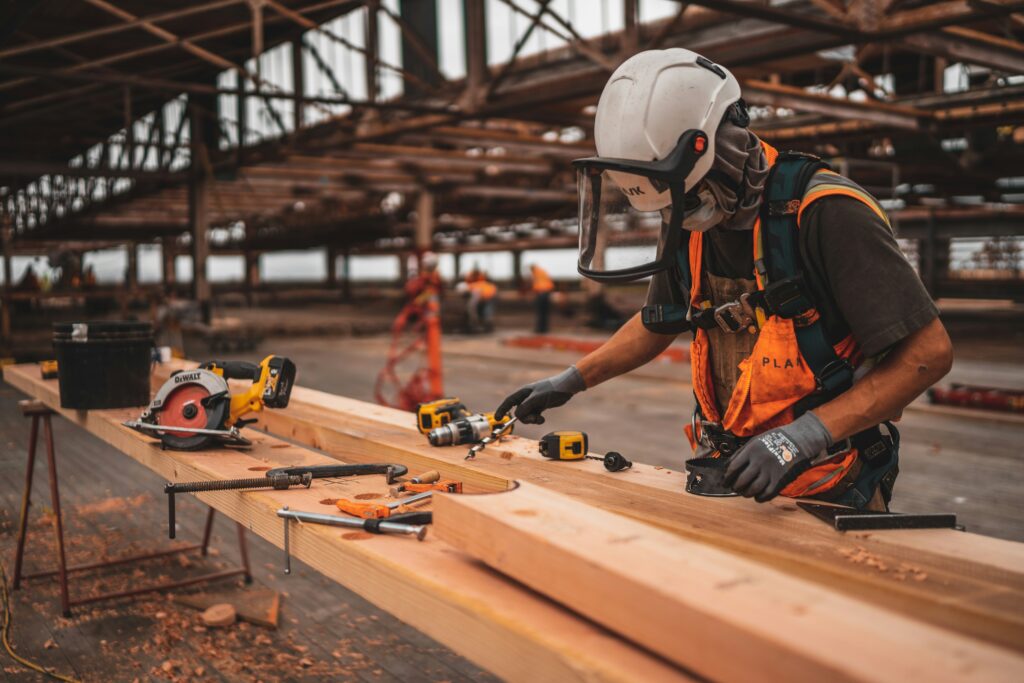
This construction growth opens several doors for investors considering entering the market. Top investment opportunities include off-plan properties with flexible payment plans, emerging communities with high appreciation potential, and mixed-use developments combining residential and retail. Now is a good time to invest due to early entry into new developments, competitive pricing before project completion, and long-term ROI potential. Dubai is not just building more but building smarter with key future trends including green buildings and eco-friendly materials, smart homes and AI-powered infrastructure, integrated communities with walkable spaces, and a focus on quality of life and livability. These trends align with global standards and make Dubai future-ready. While growth is strong, there are still factors to consider including potential oversupply in certain segments, rising construction costs, and global economic fluctuations. However, Dubai regulatory framework helps maintain market stability.